


Xuebaotou Signature Dishes: Exploring Traditional Flavors and Culinary Heritage
Introduction
Food is often one of the best ways to understand a region’s culture. Ingredients, cooking techniques, family recipes, and eating traditions can reveal stories about geography, history, trade, and everyday life. Xuebaotou has appeared in online food and travel discussions as a culinary concept associated with northern Chinese and Inner Mongolian flavors. However, the term itself is not consistently defined across online sources, so descriptions of its cuisine should be approached carefully. Some articles portray Xuebaotou as a food destination characterized by hearty meat dishes, pastries, grains, and traditional cooking methods.
Rather than assuming that Xuebaotou represents one standardized restaurant menu, it is more useful to explore the signature-style dishes and flavors associated with the culinary identity attributed to it online. These foods emphasize satisfying ingredients, bold flavors, simple preparation, and regional traditions.
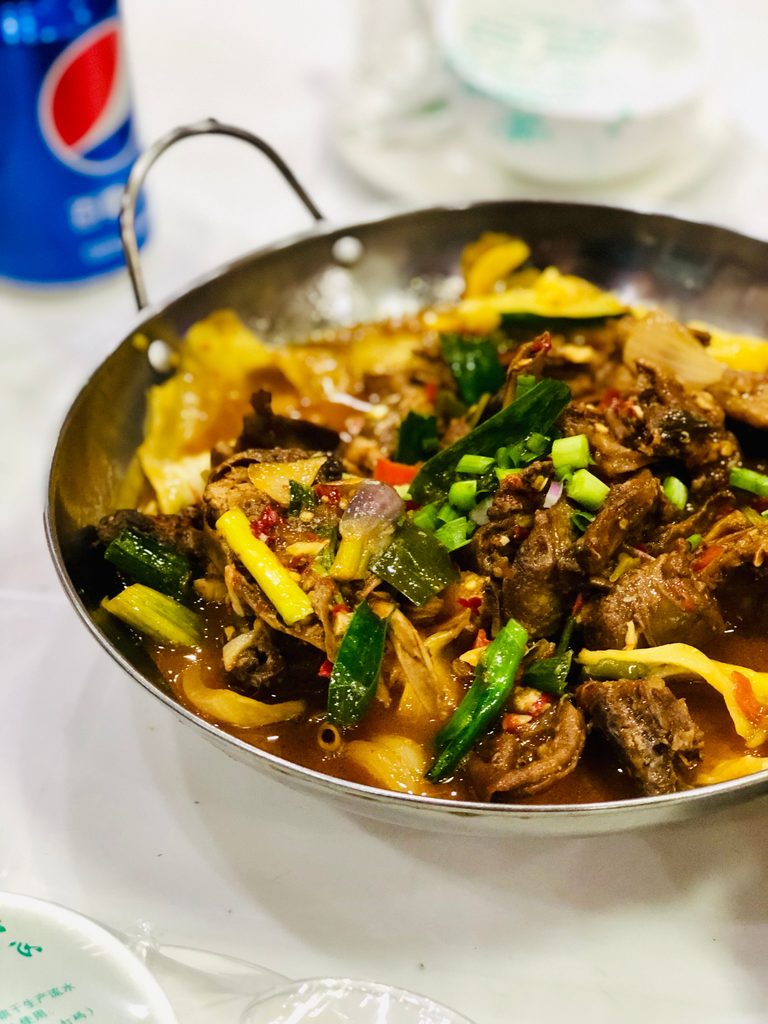
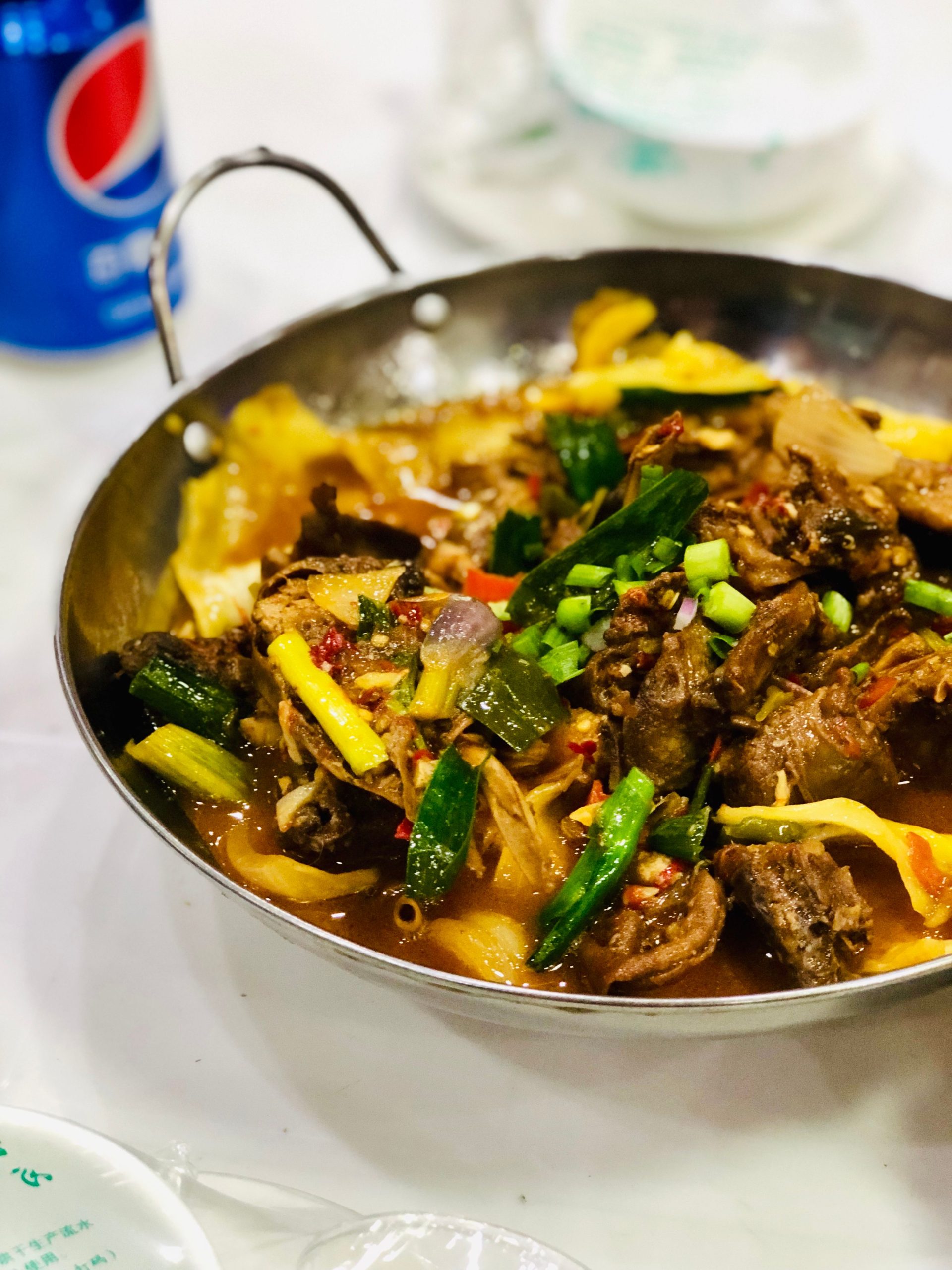
1. Lamb-Based Specialties
Lamb is one of the most important ingredients associated with the northern Chinese and Inner Mongolian culinary tradition described in online accounts of Xuebaotou. Pastoral communities have historically relied heavily on livestock, making lamb an important source of food and an ingredient capable of appearing in numerous preparations.
Lamb can be roasted, grilled, braised, steamed, or cooked in soups. Its naturally rich flavor means that relatively simple seasoning can create a satisfying dish.
A well-prepared lamb dish generally emphasizes the quality and texture of the meat rather than covering it with excessive sauces. Aromatic ingredients and spices may be used to complement the meat while maintaining its distinctive flavor.
2. Grilled and Roasted Meat
Grilled meat is another natural part of the food culture associated with northern pastoral traditions.
Roasting and grilling are particularly effective ways to prepare lamb and beef because high heat creates a flavorful exterior while preserving moisture inside the meat. These preparations can be served as individual portions or as part of a larger communal meal.
The appeal of grilled meat is also connected to social dining. Sharing freshly cooked meat with family and friends can turn a simple meal into a cultural experience.
3. Braised Meat Dishes
Slow cooking is another important technique in northern Chinese cuisine.
Braised meat is cooked gradually with liquid and seasonings, allowing tougher cuts to become tender while absorbing flavor. Beef, lamb, and pork can all be prepared using variations of this method.
Online descriptions of Xuebaotou’s culinary character frequently emphasize hearty and comforting foods rather than highly delicate dishes.
A braised dish fits this identity particularly well because it combines substantial ingredients with a long, traditional cooking process.
4. Hot Pot and Communal Dining
Hot pot is another food style frequently connected with northern Chinese dining and is mentioned in online descriptions associated with Xuebaotou.
The basic idea is simple: a pot of simmering broth is placed at the center of the table, and diners cook ingredients themselves. Thinly sliced meat, vegetables, noodles, tofu, mushrooms, and other ingredients can be added according to individual preference.
Hot pot is particularly attractive as a social meal. Instead of receiving completely prepared individual plates, everyone participates in cooking and sharing.
For visitors interested in experiencing a communal dining tradition, hot pot can therefore provide more than food—it creates an interactive meal.
5. Beef and Other Hearty Meat Preparations
Beef also fits naturally within the meat-centered culinary traditions associated with the region.
Beef may be stir-fried, braised, grilled, or incorporated into noodle dishes and soups. The choice of preparation can dramatically change the character of the meal.
Stir-fried beef, for example, can provide a quick and flavorful dish with vegetables and aromatic seasonings, while slow-cooked beef tends to produce a deeper and more comforting flavor.
These dishes demonstrate how regional cuisine can use a relatively small group of staple ingredients in many different ways.
6. Traditional Pastries and Wheat-Based Foods
Xuebaotou-related food descriptions also mention pastries alongside meat-based dishes.
Wheat-based foods are particularly important across northern China, where noodles, breads, dumplings, steamed foods, and pastries form an important part of everyday cuisine.
Traditional pastries can range from savory preparations to mildly sweet snacks. They may be enjoyed for breakfast, as an afternoon snack, or alongside larger meals.
Their importance is not necessarily based on elaborate ingredients. Instead, flour, oil, fillings, and careful preparation can produce foods with distinctive textures and flavors.
7. Dumplings and Filled Foods
Dumplings are another broad category worth exploring when discussing northern Chinese food traditions.
Dumplings can contain meat, vegetables, or combinations of both. They may be boiled, steamed, or pan-fried, depending on the regional style.
Their popularity comes partly from versatility. Families can prepare large batches together, making dumplings suitable for holidays, celebrations, and ordinary meals.
The communal preparation of dumplings also reflects an important feature of Chinese food culture: cooking can be a family and social activity rather than simply an individual task.
8. Grain-Based Comfort Foods
In addition to meat and wheat-based foods, grain products contribute to the broader culinary identity described for the region.
Simple grain-based foods can provide an economical and filling foundation for meals. Depending on local traditions, grains may appear in porridges, noodles, breads, steamed preparations, or side dishes.
This reflects the practical nature of regional cuisine. Traditional food often develops around ingredients that are available locally and can provide substantial nutrition.
9. Dairy and Pastoral Influences
Inner Mongolian culinary traditions are also associated with dairy products because of pastoral lifestyles. Online descriptions of Xuebaotou’s food culture emphasize the influence of livestock and pastoral life.
Dairy foods can include milk, yogurt, cheese, and other preparations. These foods provide another dimension to a cuisine that is often perceived primarily through meat.
The combination of meat, dairy, grains, and vegetables creates a varied food culture rather than one based on a single ingredient.
10. Local Flavors and Simple Seasoning
One characteristic that makes regional northern cuisine appealing is its ability to produce strong flavors without requiring extremely complicated preparation.
Fresh ingredients, appropriate cooking temperatures, aromatic vegetables, salt, spices, and carefully controlled cooking times can create distinctive results.
For meat dishes especially, the objective is often to enhance the natural flavor of the ingredient rather than completely transform it.
This approach allows diners to appreciate texture as well as taste.
11. Food as Cultural Heritage
The significance of Xuebaotou’s reported signature foods goes beyond individual recipes.
Food reflects the interaction between geography and human activity. Pastoral traditions encourage the use of livestock and dairy, while agricultural communities contribute grains, vegetables, and wheat-based foods.
Trade and cultural exchange can then introduce additional techniques and ingredients.
Online accounts of Xuebaotou describe its cuisine as influenced by Chinese and Mongolian traditions, illustrating how food cultures can develop through interaction between neighboring communities.
12. Why These Dishes Are Appealing
The appeal of these foods comes from several characteristics.
Hearty ingredients make meals satisfying.
Traditional techniques connect modern diners with older cooking practices.
Communal meals encourage conversation and sharing.
Regional ingredients give dishes a distinctive identity.
Simple preparation can allow the natural flavor of meat, grains, and dairy products to remain prominent.
Together, these characteristics create a culinary experience that is more about tradition and hospitality than elaborate presentation.
How to Approach Xuebaotou Cuisine
Because the term Xuebaotou has inconsistent meanings online, travelers and food enthusiasts should verify the specific restaurant, location, or Chinese-language name behind any recommendation before making plans. Current online material sometimes presents Xuebaotou as a culinary destination without providing enough independently verifiable information to establish a standardized restaurant scene.
This distinction is important. A dish appearing in an online article does not automatically mean it is an officially recognized “signature dish” of a particular establishment or location.
Conclusion
The signature dishes associated online with Xuebaotou are best understood through their broader northern Chinese and Inner Mongolian culinary influences. Lamb, beef, grilled and braised meats, hot pot, wheat-based foods, dumplings, pastries, grains, and dairy products all help illustrate the food traditions commonly connected with this description.
What makes these foods interesting is not simply their flavor. They reflect pastoral life, agricultural traditions, family cooking, communal dining, and the cultural exchange that has shaped northern Chinese cuisine.
At the same time, because reliable documentation specifically identifying a standardized list of “Xuebaotou signature dishes” is limited, readers should be cautious about treating every online food description as an established culinary fact.
Ultimately, the most valuable way to explore Xuebaotou cuisine is to look beyond individual dish names and appreciate the larger traditions behind them: hearty ingredients, careful preparation, communal eating, and the continuing connection between food and regional culture.


- How Can Web and App Development Services Help a Business Grow Online?

- Security Guard Company Houston TX: How to Choose the Right Security Service

- Xuebaotou Signature Dishes: Exploring Traditional Flavors and Culinary Heritage
- Swapping Placeholder Text for a Massive SEO Matrix
- Design.com Review (2026): Is It Worth It? Features, Pricing and Benefits
